Amenity technology, from the guest's side of the lobby
Guest-facing amenity technology has quietly become part of how a space is judged — before a review is written, before a survey goes out, in the moment a guest reaches for something and finds it ready or finds it broken. This site is an independent reference for the operators and planners responsible for those fixtures: what they are, how they behave over time, and how to deploy them thoughtfully. No vendor endorsements, no sponsored placements — only the operational and practical questions worth asking.
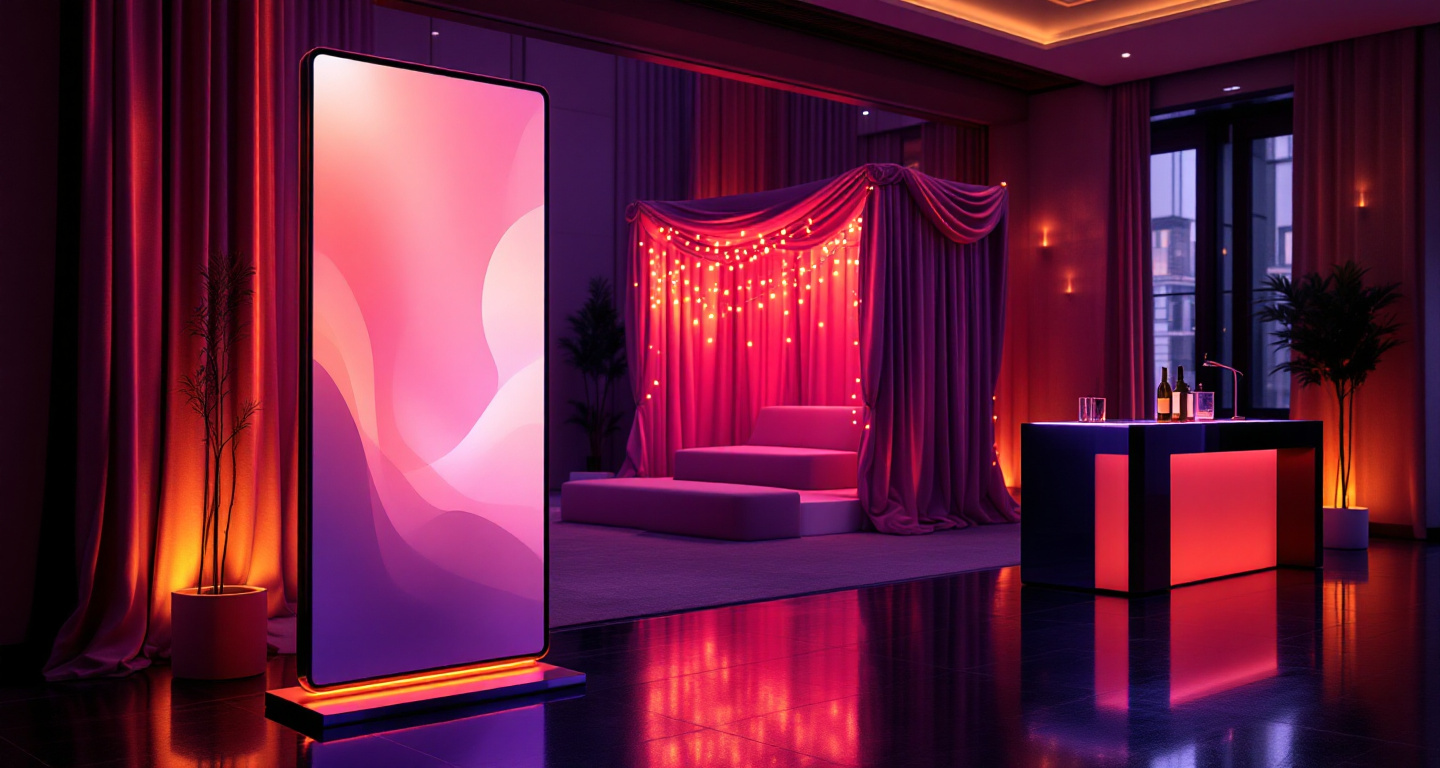
The Amenity Layer: What Guests Now Expect
A venue, lobby, or event floor communicates through its fixtures as clearly as it does through its finishes. When a guest encounters a photo moment, a working charging station, a place to drop a package securely, or a clean-hands station on the way in, those touchpoints register — not always consciously, but reliably in how the space is remembered and described afterward. The absence of an expected fixture is noticed. A broken one is noticed more.
This shift has been gradual but it is now structural. Guests who arrive at a hotel lobby, a corporate event, or a residential building entrance carry implicit expectations shaped by everywhere else they have been. A well-placed, well-maintained photo booth at a wedding venue is no longer a novelty; it is part of the experience inventory. A charging station that does not charge is a visible failure of hospitality, even if it sits ten feet from the front desk.
The amenity layer is not about piling in hardware. It is about identifying the two or three moments in a guest's path where a fixture closes a gap — a gap in comfort, in connection, in practicality — and filling that gap with something that works every time they need it.
Operational Reality: Unstaffed Fixtures Work Until They Visibly Don't
Every fixture category covered here shares one defining characteristic: it operates without a person standing beside it. A photo booth, a smart locker bank, a digital mirror, a sanitation station — each runs autonomously through the hours guests are present, and none of them signals distress loudly when something goes wrong. A cable hangs loose. A dispenser runs dry. A screen freezes on an error state. The fixture sits there, doing nothing, while guests walk past and draw conclusions about the space.
This is the core operational challenge. A dead amenity does not read as neutral. It reads as neglect. Guests do not distinguish between a fixture that is temporarily out of service and a venue that does not maintain its equipment — the surface impression is the same. The reputational cost of a broken charging station or an offline photo booth accumulates quietly in reviews and in word-of-mouth long before it surfaces in a formal complaint.
Uptime ownership means knowing, at any point in the operating day, who is responsible for each fixture and what they do when it fails. That answer should be written down before the fixture is installed. Vendor support contacts, reset procedures, backup supplies, and a clear escalation path are not afterthoughts — they are part of the deployment. A fixture without an uptime owner is a liability dressed as an amenity.
Matching Fixture to Space
Not every amenity belongs in every setting. An event floor rewards high-visibility social fixtures — photo booths and social sharing stations earn their footprint when guests are in a celebratory or communal mood, when foot traffic is dense, and when sightlines carry the fixture's presence across the room. Placement near natural gathering points — a bar, a seating cluster, a transition between spaces — dramatically affects usage. A fixture pushed into a corner will underperform regardless of its quality.
A hotel lobby operates on a different rhythm: arriving guests are often burdened, distracted, or tired; departing guests are rushed. Here, device charging and secure parcel lockers address genuine friction. Placement near seating areas or check-in queues meets guests where they already pause. Hygiene stations earn consistent use near elevator banks and entry doors, not tucked beside a service corridor. The lobby fixture's job is utility delivered without requiring the guest to search for it.
Apartment building lobbies and retail entrances each compress the logic further. A residential lobby serves the same population repeatedly; residents will learn where a locker bank is and use it habitually, but only if it is positioned in the natural flow from entrance to elevator. A retail entrance has seconds of attention and one clear task — reduce friction at the threshold. A hand sanitizing station, a phone-charging ledge, a package drop point positioned at the exit rather than the entrance: small placement decisions accumulate into a noticeably better or worse experience.
Dignity, Reach, and the Basics of Inclusive Deployment
Amenity fixtures are public-facing hardware that will be used by people across a wide range of ages, physical abilities, and levels of comfort with technology. The minimum standards here are not aspirational — they are operational. A photo booth with a trigger mechanism reachable only while standing excludes seated users and anyone below average height. A charging station with ports mounted at counter height excludes guests who use wheelchairs. These are not edge cases; they are predictable parts of your guest population.
Interface clarity matters across the full age range. A touchscreen that requires multiple steps to accomplish a simple task will produce abandoned sessions and frustrated guests. The clearest interfaces for mixed-age audiences offer large targets, plain language, immediate feedback, and a way to start over. When in doubt, fewer steps outperform more sophisticated flows every time.
Camera-equipped fixtures — photo booths, digital mirrors, social sharing stations — require particular care around consent and privacy. Guests should know when a camera is active, what happens to images, and how to opt out without navigating settings menus. This is not a compliance note; it is a basic condition of trust. A fixture that guests are uncertain about will be avoided, and avoidance is the outcome every deployment is trying to prevent.
On the desk
- Event photo booths: planning the booth guests actually line up for
Booth formats, placement and power logistics, queue management, output and consent — the planning decisions that decide the night.
- Social sharing stations: designing the photo moment guests post
Lighting, backdrop legibility, camera-kiosk privacy obligations, and keeping a social station fresh enough that guests keep posting it.
- Digital mirrors: what a smart mirror does well in retail, events, and hospitality
Mirror form factors, augmented-reality try-on strengths and limits, placement and lighting, privacy design, and honest measurement.
- Guest charging stations: power as an amenity, done safely
Charging formats, the public-USB security question, lithium-ion and electrical safety, placement, and the maintenance loop.
- Smart parcel lockers: taking the package problem off the front desk
How parcel locker systems work, the click-and-collect retail variant, compartment sizing, daily operations, and contract questions.
Primary planning source: https://sites.google.com/emeryeps.com/metroclick-authority-hub/digital-signage/digital-concierge